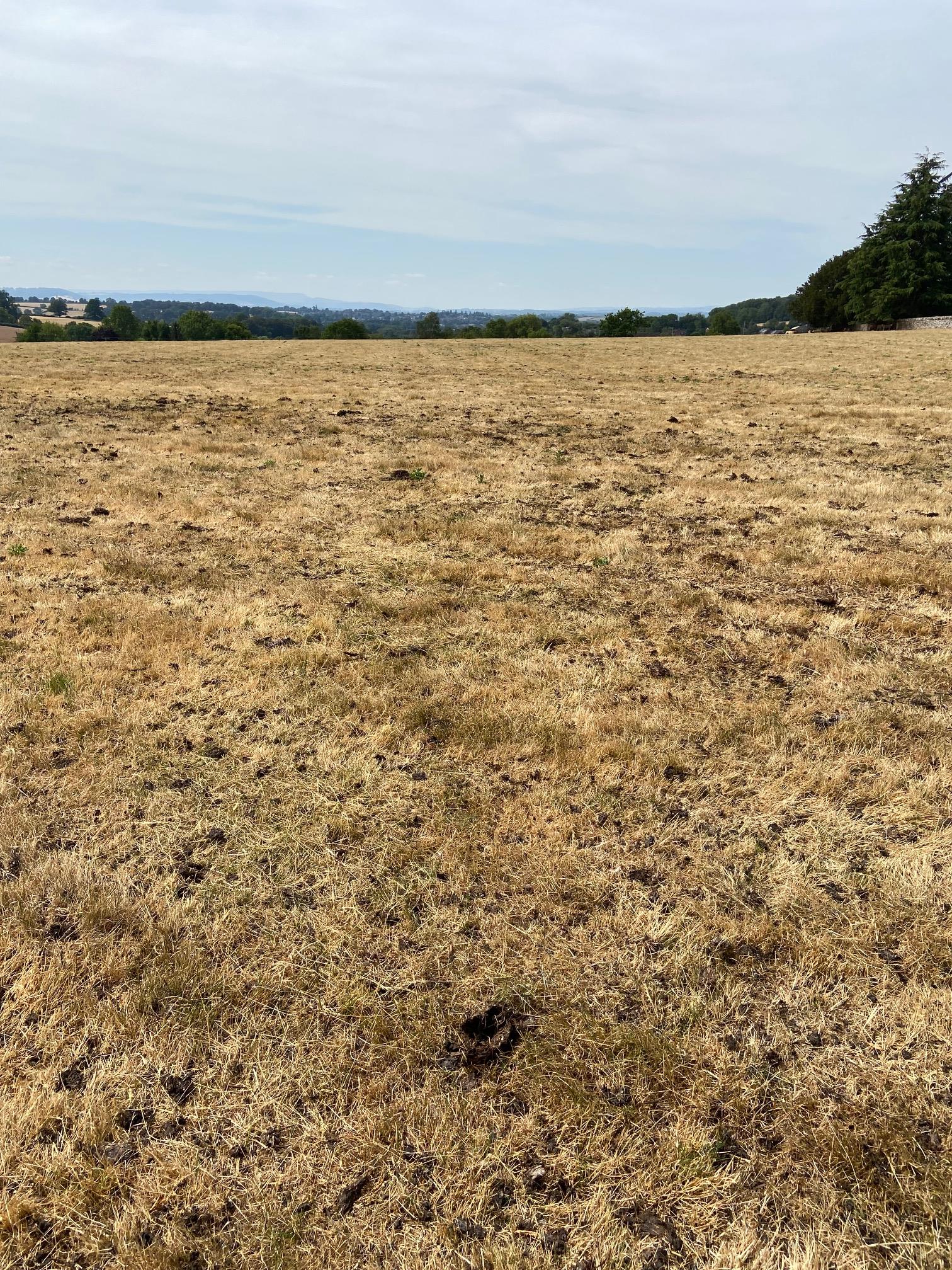
After weeks and weeks with no rain, we are now officially in a drought area.
The grass has finally burned off and the bales are out again in feeders. What we thought was a glut of forage is now being fed at an ever increasing rate, however the sheep are holding up well at the moment.
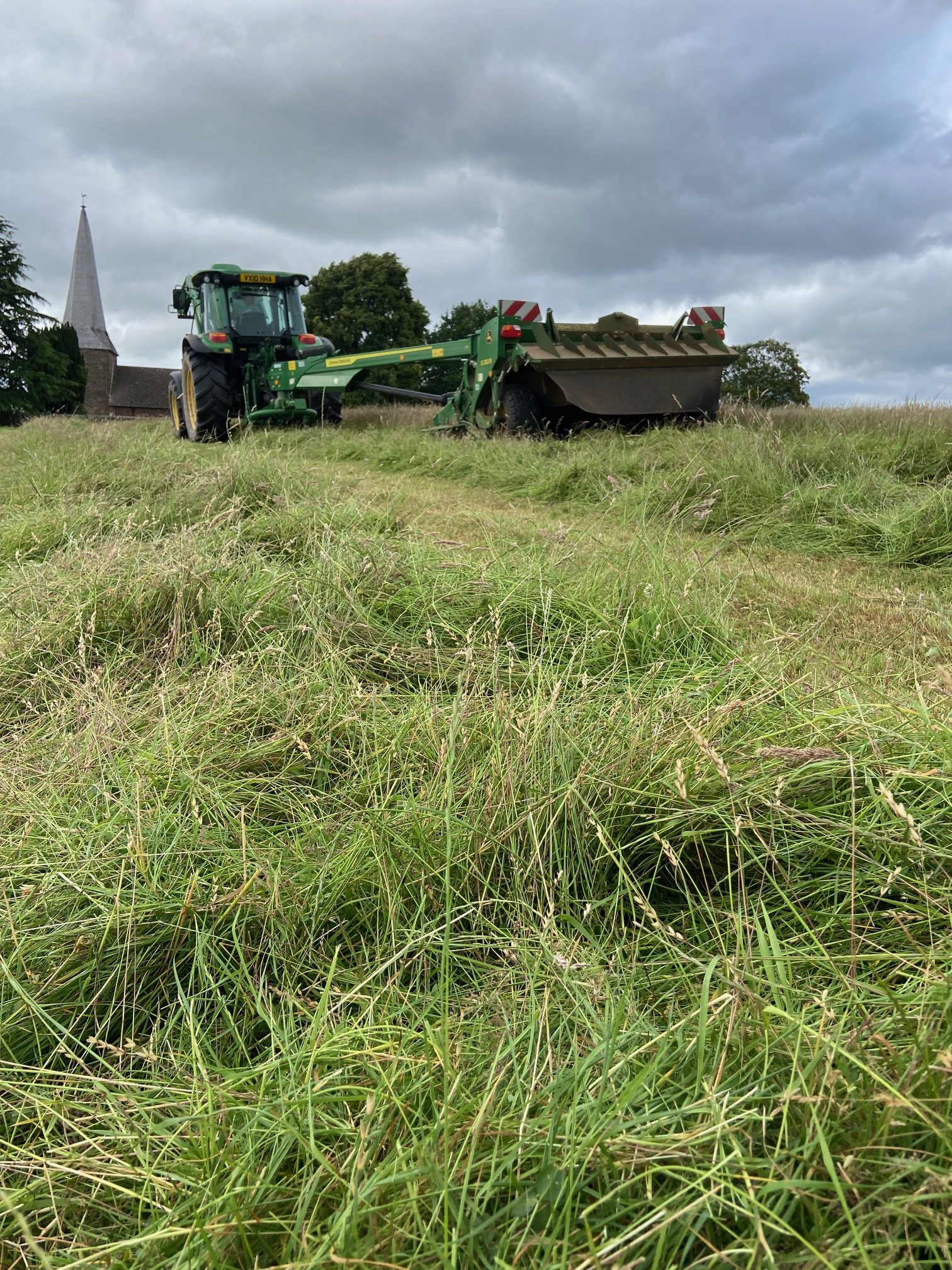
This picture shows one field cut for grass on 19th June after it had muck spread on it, it has had no rain since!
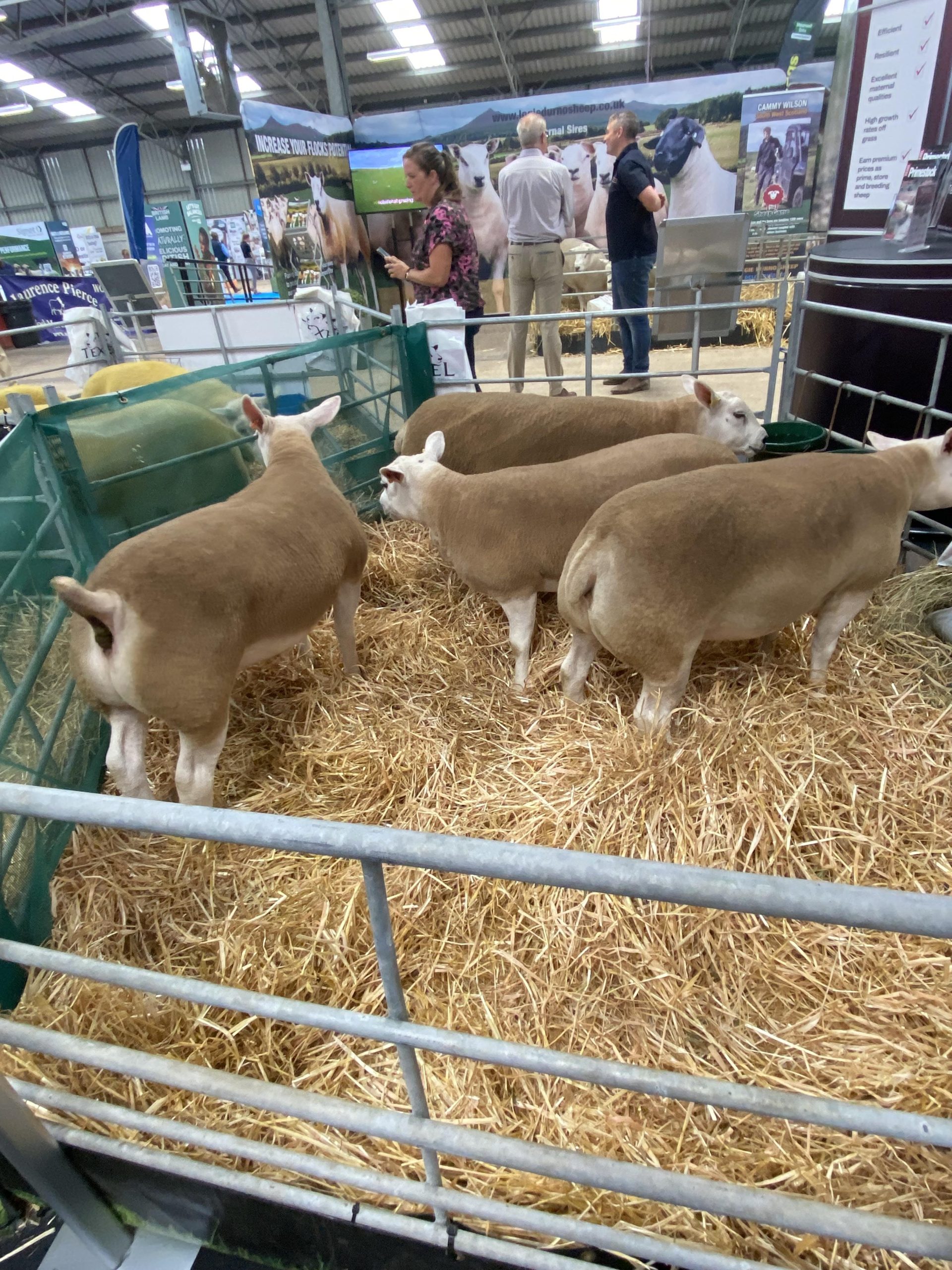
The flock was honoured to be invited to supply four shearling ewes for the Texel Sheep Society at the NSA Sheep event at Malvern.
Along with rams from Millend and Whitehart, the Kimbolton ewes looked the part, with many positive comments received from those we talked to.
Unusually, we have a selection of shearling ewes for sale this year, so head over top the for sale page and download the latest list, but be quick as they wont hang around and Paul might change his mind and keep them!
We are pleased to announce that the list of animals available for sale in 2026 has been added to the “for sale” page.
If you are interested in viewing without obligation please contact Paul to arrange.
Sheep will be mainly sold direct from farm but there will be limited consignments sent to key Society and Club sales across the UK.
We strongly encourage you to view them in their home environment where you will see the entire offering and also get to understand the system they are produced in. This is something not enough people bother to do, leaving them surprised when their impulse purchase bought at a market from a random stranger doesn’t perform because they have been bred for different reasons usually in a more intensive system.
In the current climate, it is more important than ever to de-risk your purchase. Paul is very experienced in helping buyers do this by combining visual appraisal and the use of the latest genomic breeding values.
Get in touch, what have you got to lose? Well actually quite a lot if you buy the wrong animal for your system!
All adults have now had their haircuts and are looking very trim.
Shearing today is a welfare matter as over centuries man has selectively bred wool onto sheep as it was a highly prized natural material. So much so, that in years gone by the farms annual rent would have been paid for by the wool produced with the meat being an additional profit.
Today, things have vastly changed and sadly people seem to want to wear clothes made of plastic and cotton and have carpets made from the same plastic that is all refined from oil. As a result wool has lost its value and it costs more to shear a sheep than you get back when you sell the wool.
However wool remains a fantastic natural product that is a great carbon store and slowly but slowly it is getting a little bit more interest again but its nowhere near what it used to be.
So an alternative approach is to try to selectively breed the wool off the sheep again. This would restore them to how they were before they were domesticated. This would remove the risk of the animal getting flystrike which is caused by maggots laying eggs in dirty wool, but it seems a shame as wool is so sustainable and useful for everything from insultation to fertiliser.
You can rest assured that Paul is experimenting with reducing wool cover. The two photographs below are from two aged rams and you can see the difference in wool cover for yourself!
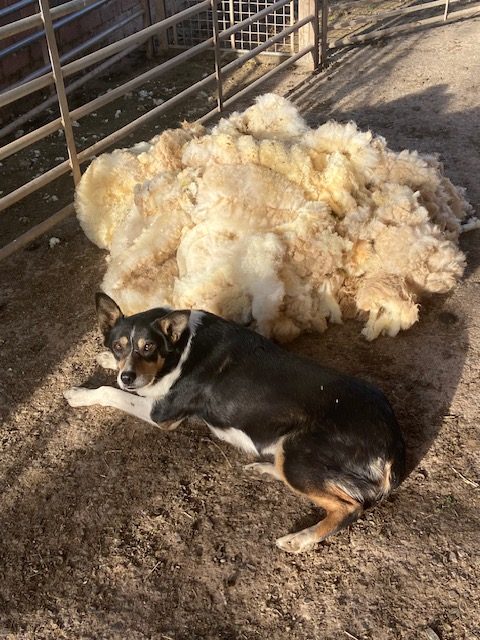
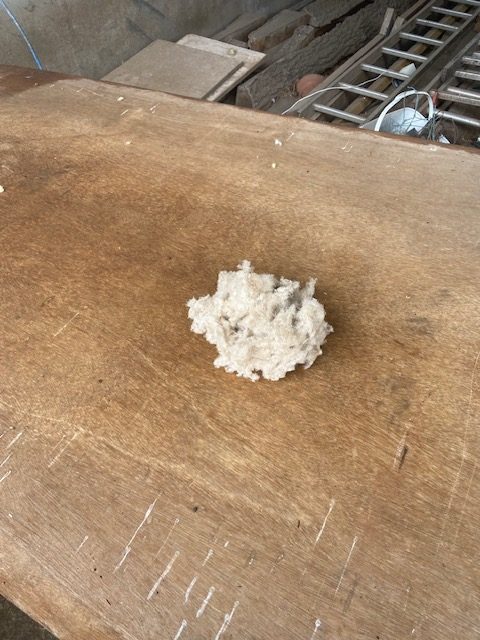
Kimbolton Glorious Gigots wool clip – dog for scale!
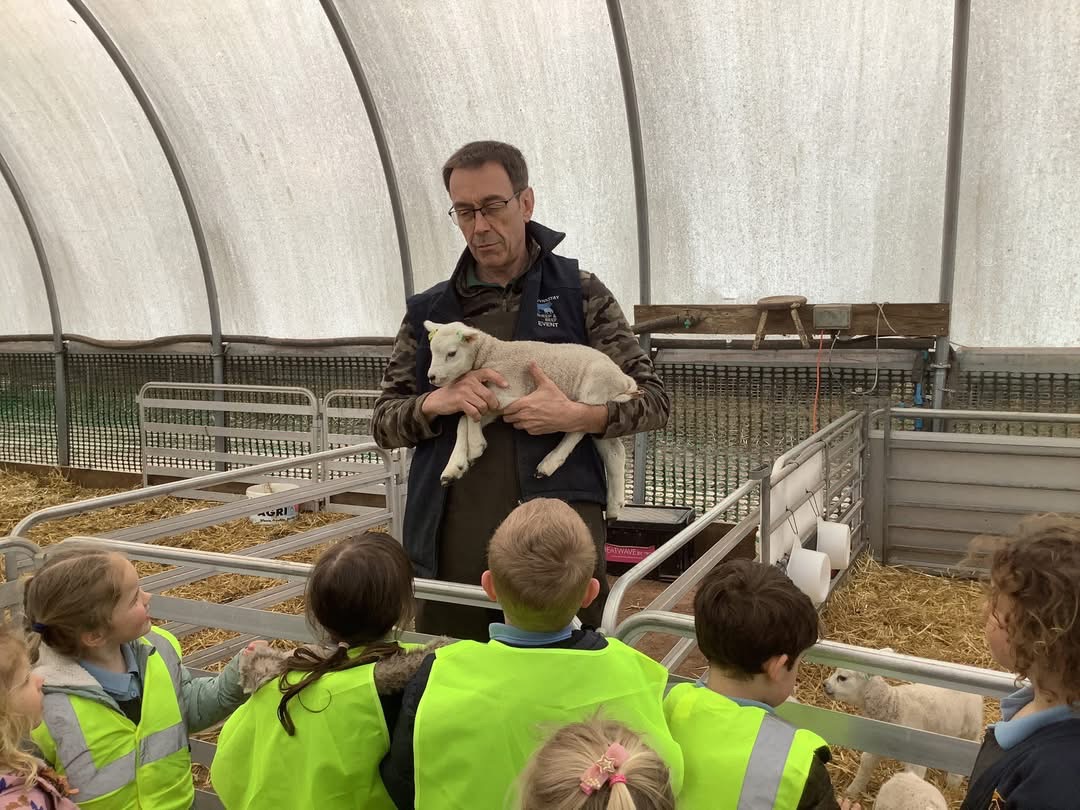
We are delighted to work with our local primary school each year, showcasing the best of British Farming and showing the children where and how their food is produced.
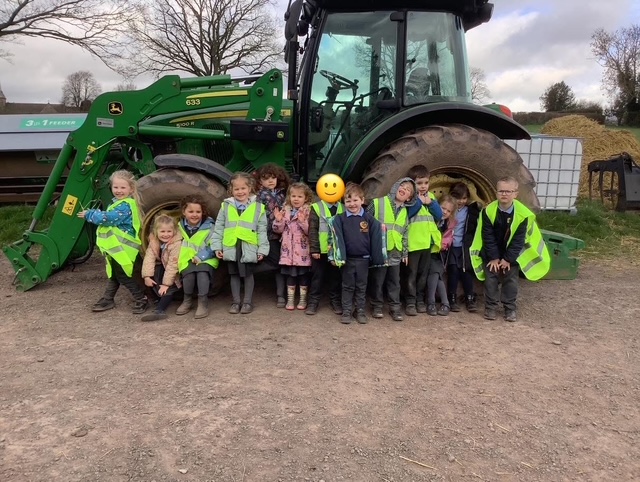
Each year at lambing time the children have the opportunity to visit and see the lambs. It is wonderful seeing the interaction, engagement and the bonds created as they learn what really happens for themselves. We talk about the yearly cycle, animal welfare and how the lambs live and end their lives, plus they get to sit in a tractor.
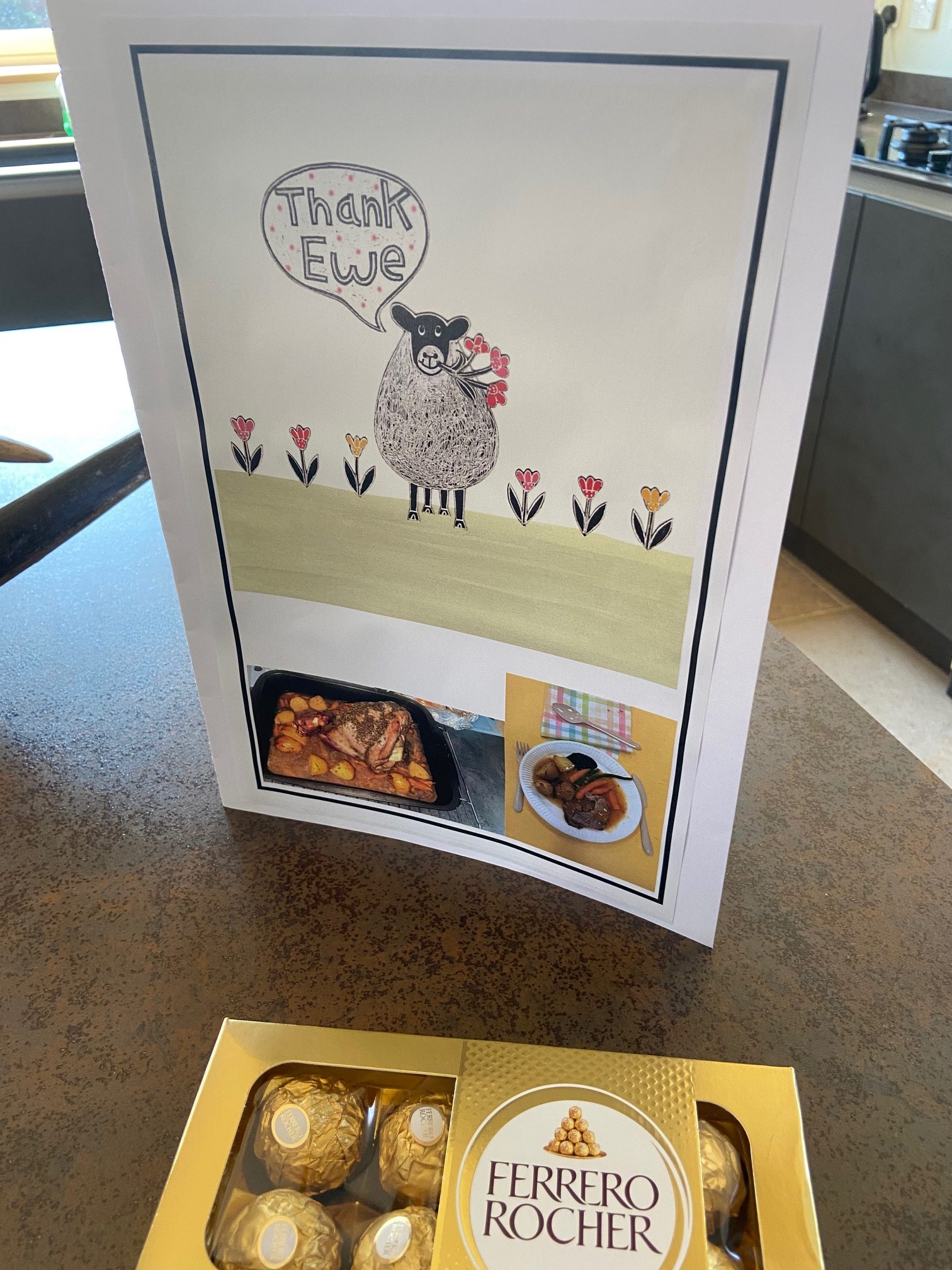
Following their lambing visit they return to school and in the following weeks plant vegetables, then in July before the end of term they have their farm to fork lunch. This features Kimbolton lamb and their own vegetables, with everything having grown within view of the school.
Its a very special occasion with a delicious lunch and is something more schools should be doing!
What a difference a year makes, last year at this time we had to cut twice the area to get half the volume of forage. This year the earlier rain was very welcome and we have now managed to make sufficient forage to last us the winter with a small surplus we can perhaps sell later in the autumn.
However, we don’t know what the next few months will bring so nothing will be leaving the farm just yet as experience has taught us to be prepared for the next drought!
Watching the lambs natural growth rates is something we never get tired of seeing. Growing from ~5kg at birth to 40kg has dramatically sped up due to genetic gain.
Traditionally in the 1990’s this would have taken around 21 weeks, now it takes 12-14 weeks! Not only is this great for cashflow, it is also good for the environment as it reduces the flocks emission’s intensity.
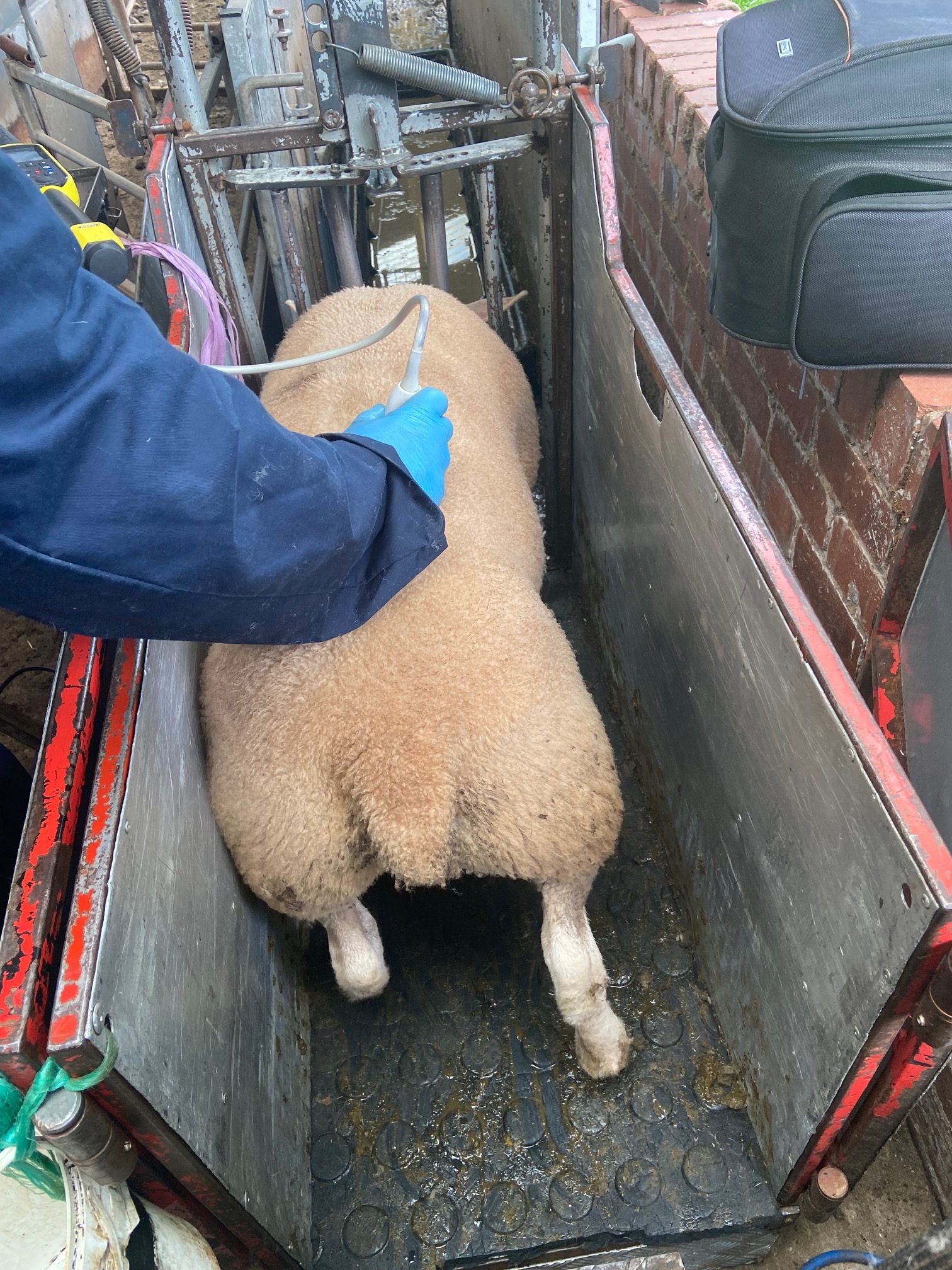
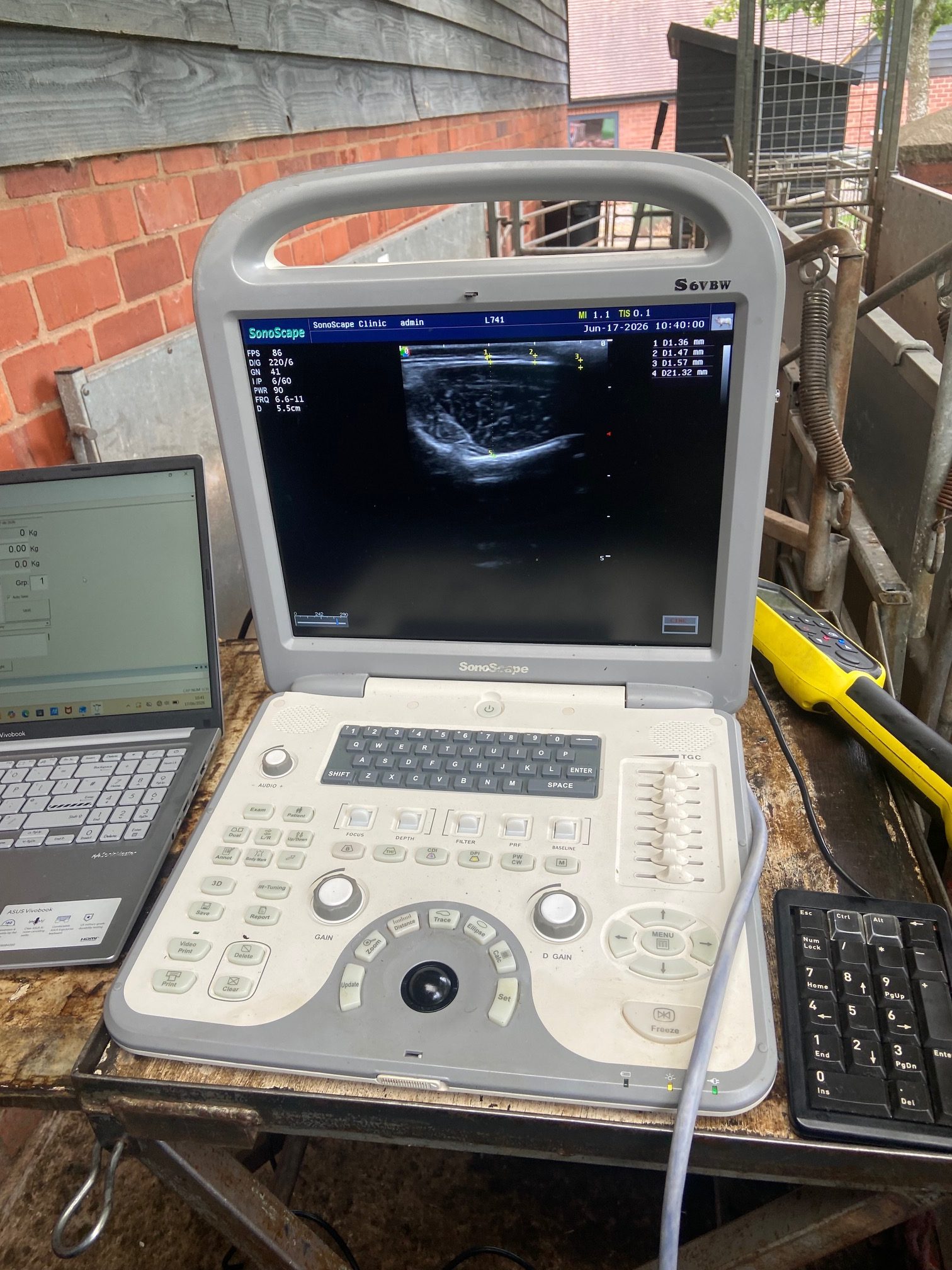
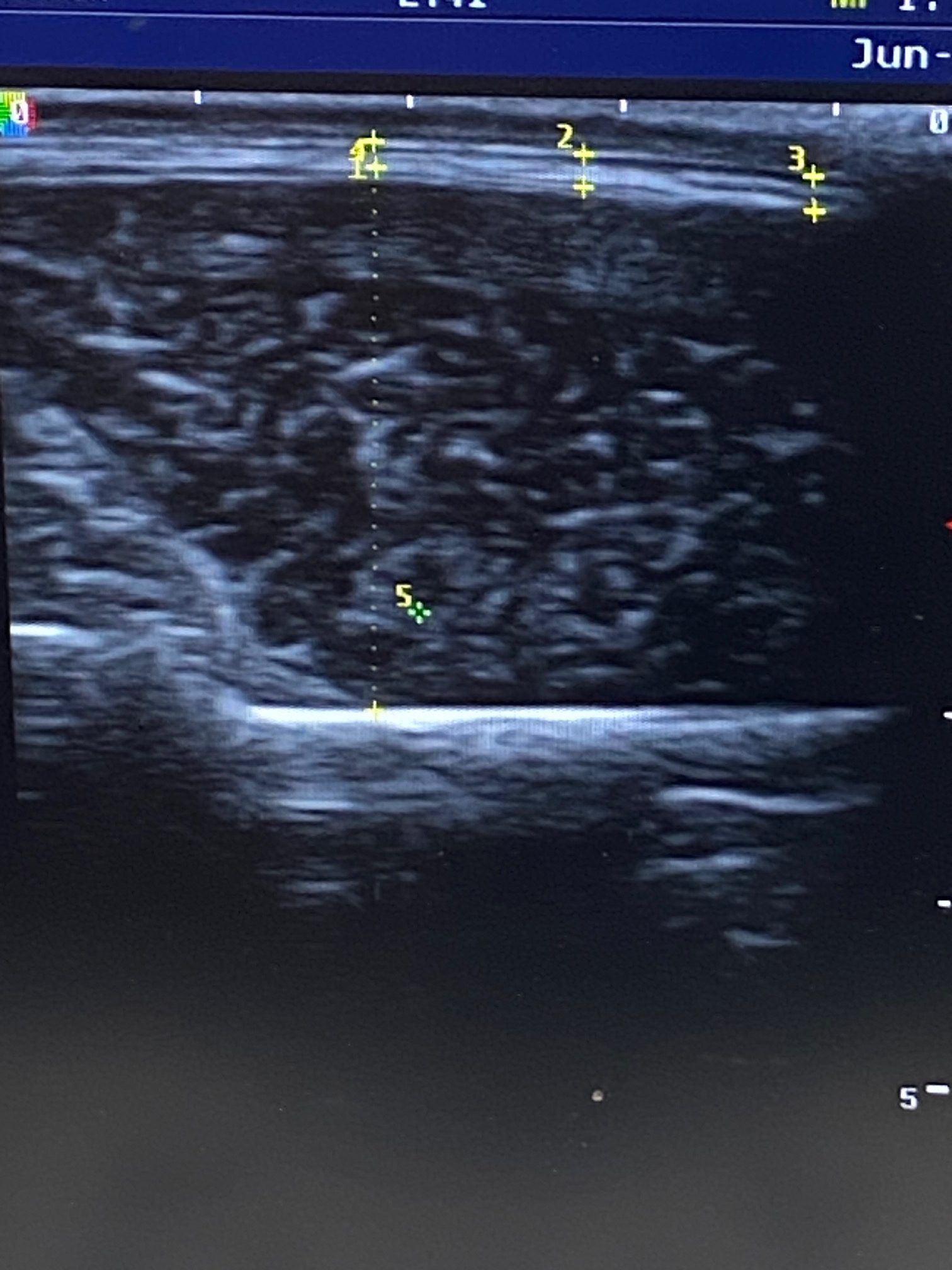
In addition to growth we also wish to have good carcass attributes and therefore we use technologies such as ultrasound scanning to measure backfat and muscle depth at around 40kg of weight.
Pictured below is a lamb being ultrasound scanned and also a view of the scan image.
Once collected, all phenotypic data is submitted to the British Texel Sheep Society and included in their National Texel Evaluation service.
The results from this allow animals to be compared on a like for like basis across the breed allowing genetically superior animals to be identified and ranked.
Today we genotyped our entire 2026 lamb crop but why and what is involved?
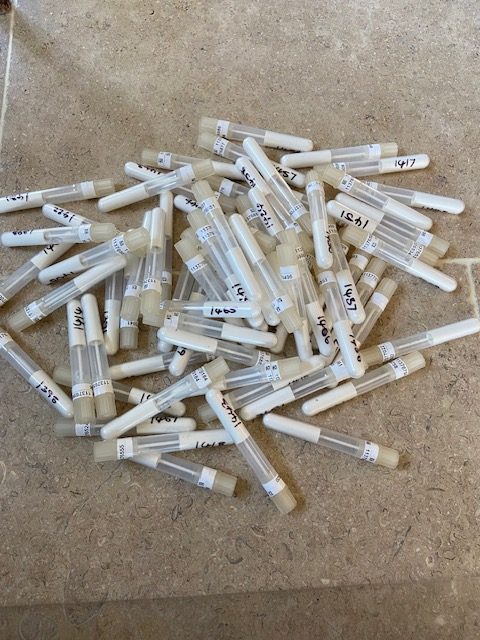
DNA is collected using a non invasive nasal swab and this is then preserved in a tube which is sent off for analysis.
Information gained from this DNA then provides data into the National Texel Genomic Evaluation that is carried out by the Texel Society. Using DNA information along with other measurements (called phenotypes) the evaluation can then predict with a high level of accuracy what the genetic merit of each lamb is, allowing them to be ranked in order of performance.
This data is valuable because it allows both Paul and buyers to understand those animals that will deliver the best return before they have lambs. This leads to more efficiency and reduces waste and performance surprises.
In addition, health single marker traits are now routinely reported which helps to identify animals that are genetically more resistant to things such as Scrapie, Microphthalmia and Maedi Visna. This means the information can be used to breed healthier sheep.
The Kimbolton flock has worked closely with research projects for two decades and is one of the original members of the Texel Societies Resource Flock initiative. This approach ensures that we stay at the forefront of industry Research and Development (R&D) and can deliver real value in the animals offered for sale.
Pile of DNA Swabs before they are sent off for analysis
Overall we have been delighted with how things went. As always there were some surprises but we were delighted with a lambing mortality rate of under 3%, our lowest ever.
Now the focus switches to some rest and recovery for the head shepherd as we switch into “Operation stay alive” for the ewes and lambs!